
A Crisis Hiding in Your Mailbox
Every year, over 100 billion pieces of junk mail are delivered in the U.S. alone. That’s more than 300 pieces per person—most of it unwanted, unread, and tossed in the trash. Junk mail is not just annoying—it's destructive, expensive, and environmentally harmful.
The Environmental Impact
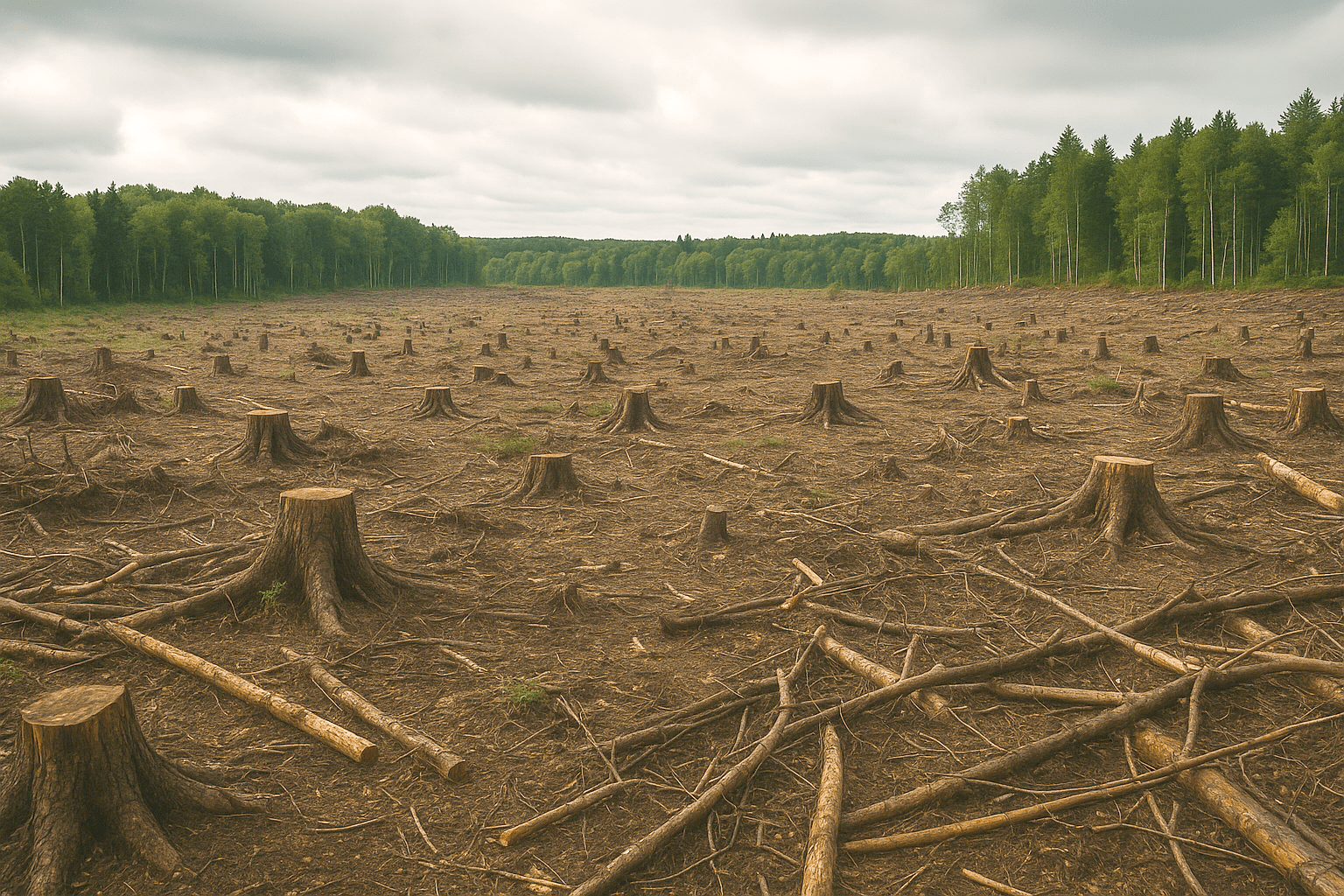
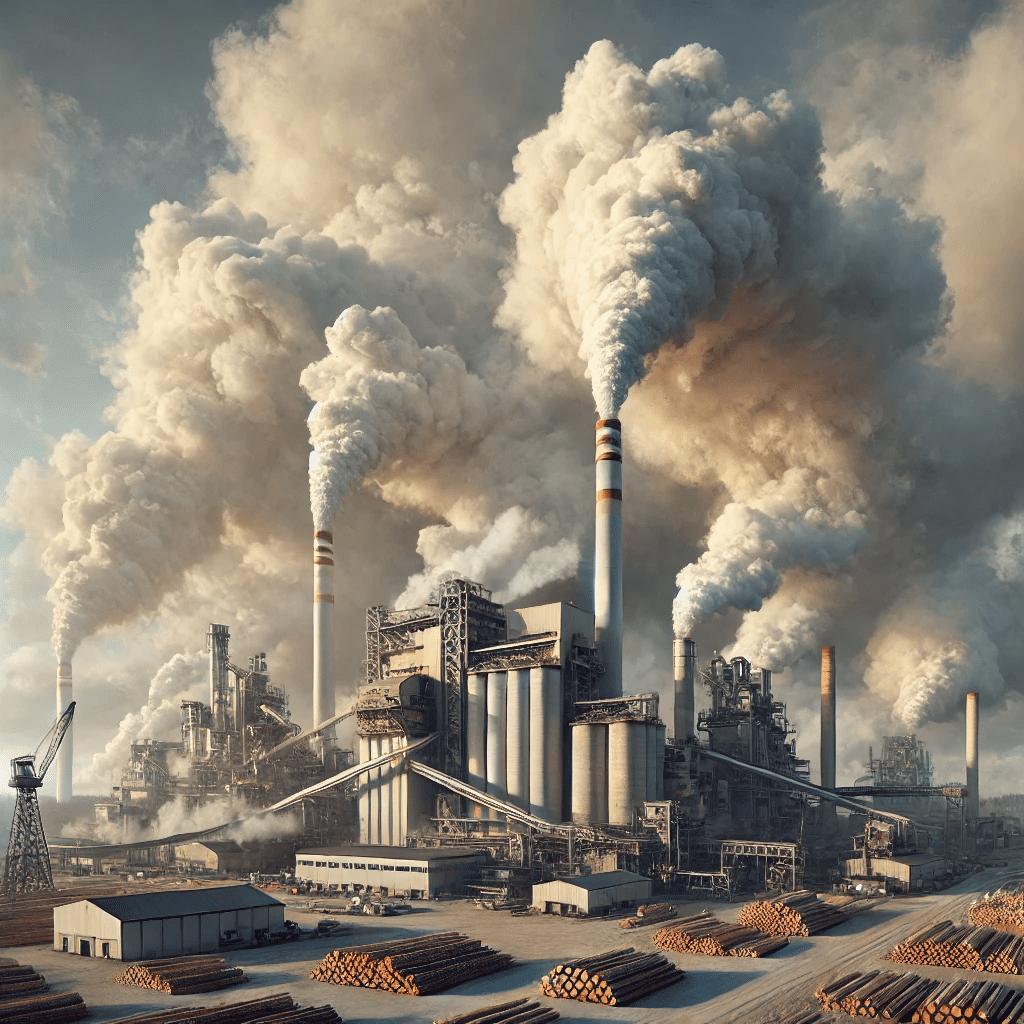
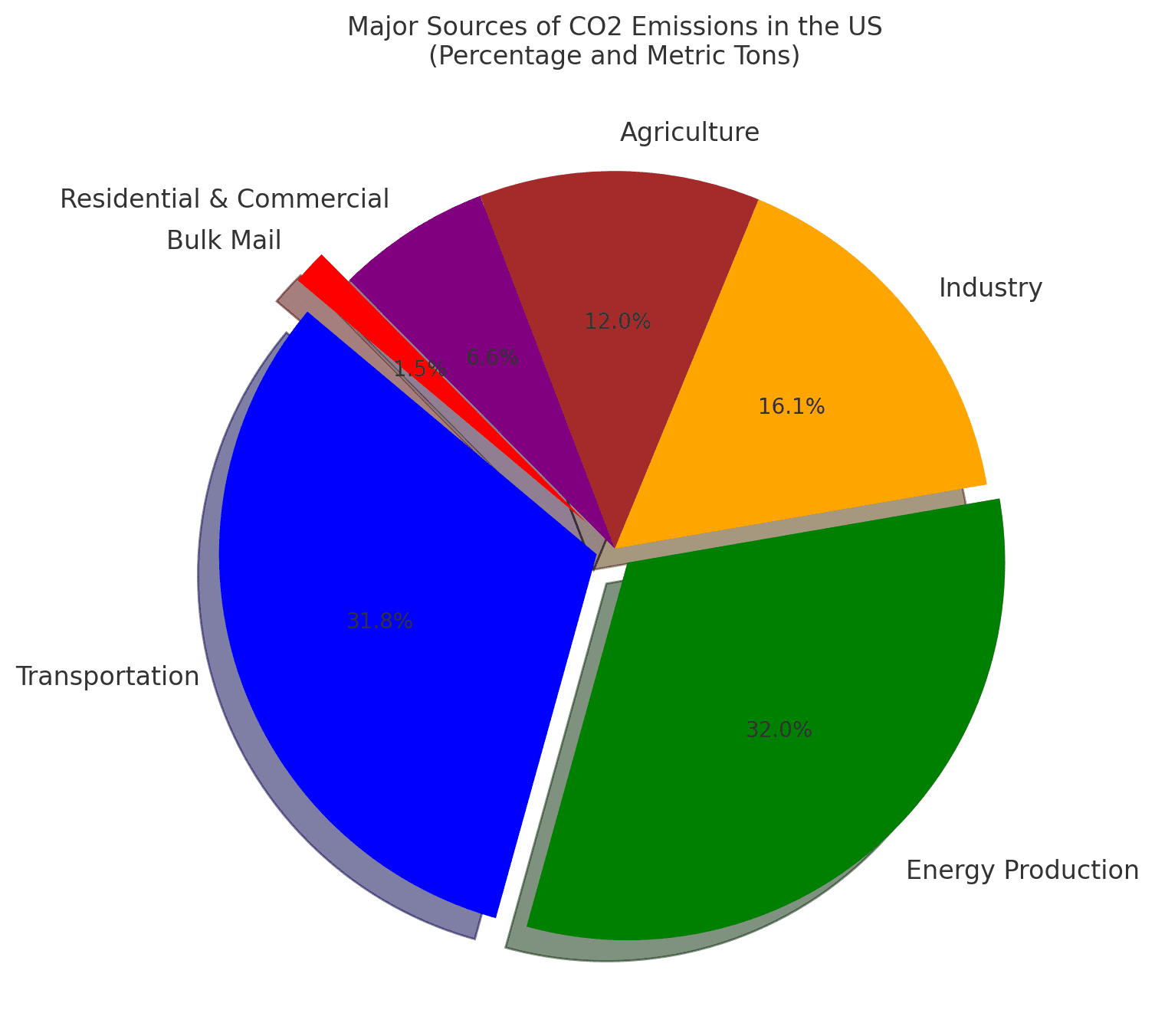
The production of junk mail consumes millions of trees, billions of gallons of water, and vast amounts of fossil fuel. Once mailed, it adds heavily to transportation-related CO₂ emissions.
The process doesn’t end there. Transporting junk mail to your mailbox—and eventually to a landfill or recycling center—burns even more fuel and releases additional harmful CO₂ into the atmosphere.
Upwards of 95% of all bulk mail has no economic or societal value.
After all, Junk Mail is simply our trees that have been turned into waste on their wasteful journey to the landfill.
Who’s Paying the Price?We Are.
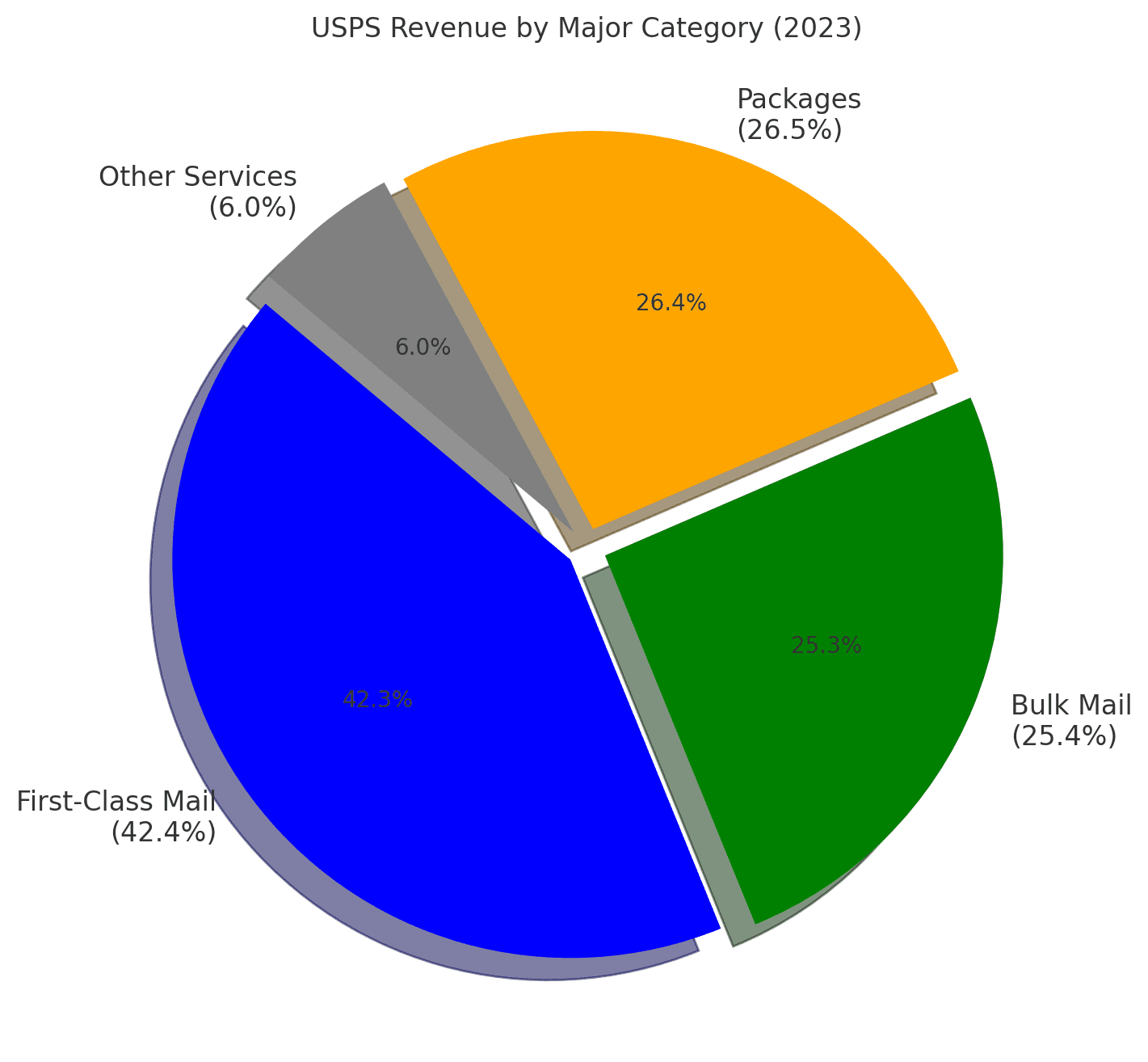
Even if you never open it, you’re paying for it—as a taxpayer and consumer. The U.S. Postal Service relies heavily on bulk mail to stay afloat. In fact, bulk mail revenue continues to make up a significant portion of USPS income, despite plummeting mail volumes.
Junk Mail Hurts Everyone
Waste of taxpayer money
Subsidized by the USPS at the public’s expense
Burden on local recycling centers and landfills
Serious environmental and climate consequences
The Cost of Emissions
11.4 million metric tons of CO₂ per year — just from junk mail.
That’s the same as:
The annual energy use of 1.3 million U.S. homes, or
The emissions of 2.48 million cars on the road.
And these are conservative estimates—the true number may be higher once you factor in transportation, last-mile delivery, and landfill waste.
The USPS Financial Loop of Waste
USPS’s strategy has created a vicious cycle:
First-class mail volume drops
To make up for it, first-class prices increase
Bulk mail is promoted at lower rates, keeping USPS afloat short-term
This further discourages first-class usage
Meanwhile, junk mail volume increases, fueling more waste and carbon output
If pricing were rebalanced fairly, mail would average just $0.44 per piece—yet bulk mail often goes out for as low as $0.10, with taxpayers and first-class users covering the gap.
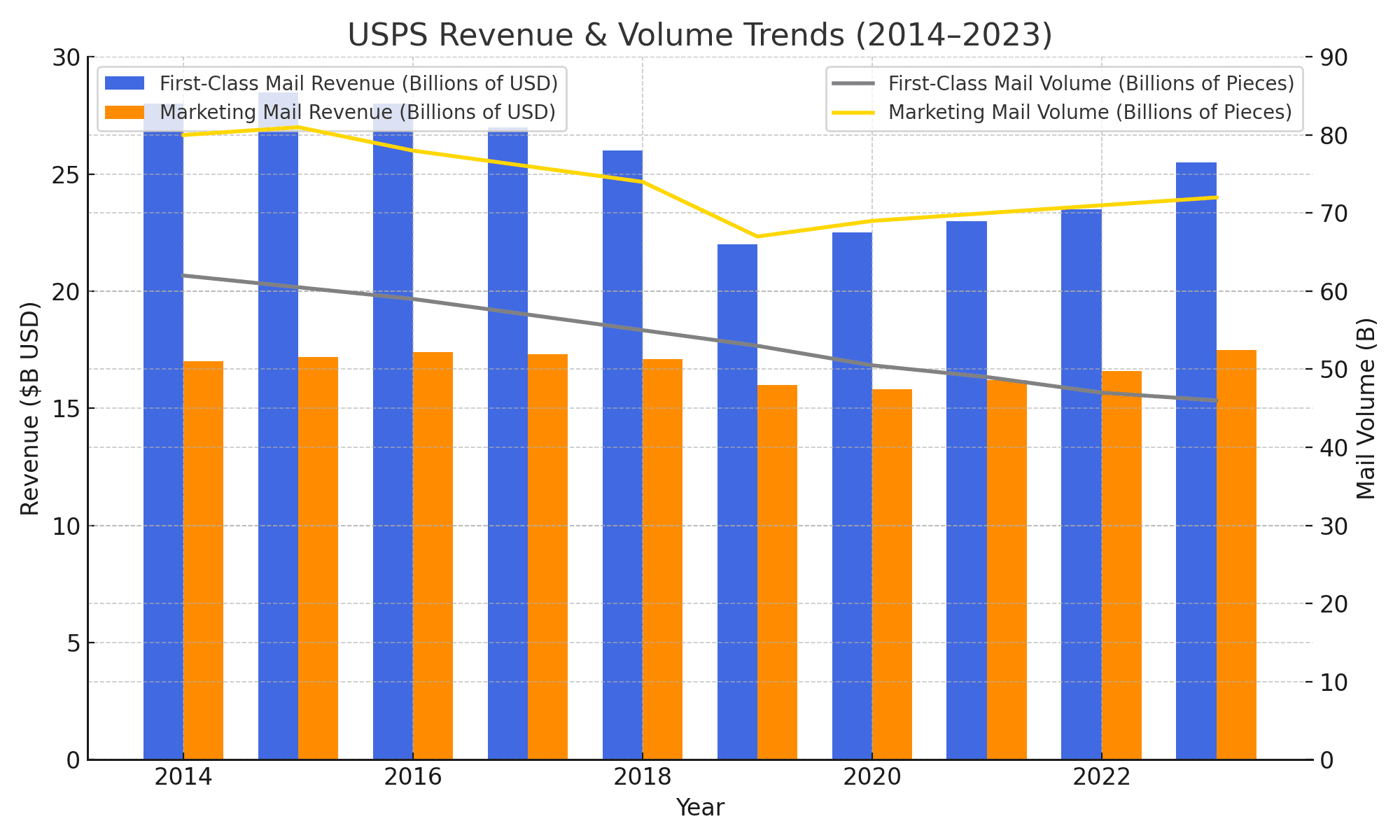
Revenue vs. Volume Over Time (2014–2023)
This chart exposes a dangerous trend in how the USPS has managed mail revenue:
First-Class Mail Revenue is declining year after year, even though it's the highest-margin service.
Marketing Mail (Junk Mail) Volume has increased, despite offering lower profit per piece.
USPS raised first-class postage prices, discouraging use — while promoting heavily discounted bulk mail to make up the difference.
Why It Matters
Stop Subsidizing Waste—Start Demanding Change
Junk mail is more than a personal nuisance—it’s a wasteful, taxpayer-funded system that harms the environment, burdens the USPS, and benefits marketers at public expense. Every step you take—opting out, spreading awareness, contacting lawmakers—sends a clear message:
We no longer accept a system that profits off pollution and silence.