
Junk Mail: The Hidden Environmental Disaster in Our Mailboxes
Every day, millions of households open their mailboxes only to find piles of unsolicited advertisements, catalogs, and promotional flyers. Most of it goes straight into the trash — unopened, unread, and unwanted. But the true cost of junk mail goes far beyond cluttered counters and overflowing recycling bins. It’s a global environmental crisis hiding in plain sight.
🌲 The Forests Paying the Price
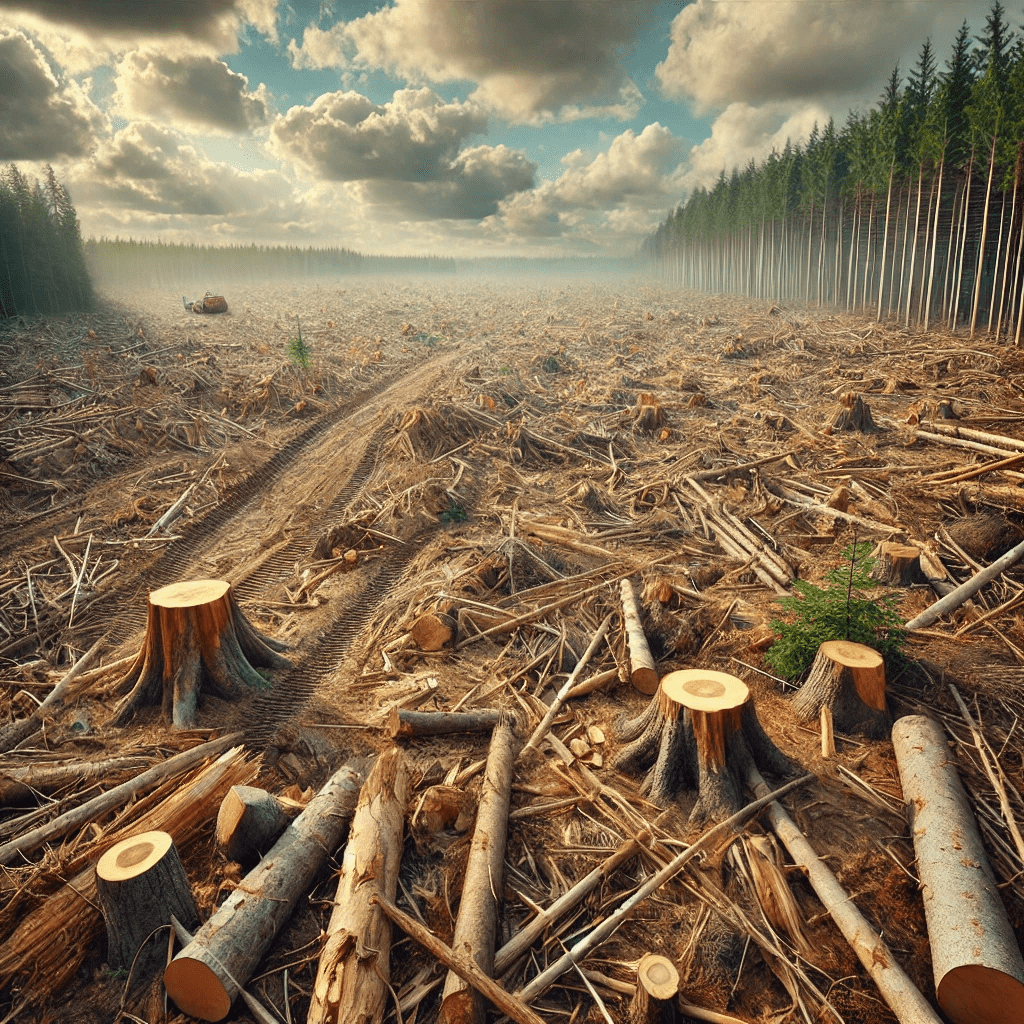
Each year, the production of bulk mail consumes over 100 million trees — trees that could have absorbed millions of tons of carbon dioxide and supported entire ecosystems. These forests are cleared to create glossy postcards and colorful brochures that end up discarded within days.
And the destruction doesn’t stop there. The energy used to manufacture, print, and transport junk mail releases over 11 million tons of CO₂ annually — roughly the same as the emissions from two million cars on the road for a full year.
💧 Waste, Pollution, and the Energy Drain
Producing junk mail isn’t just about paper. It requires enormous amounts of water, ink, and fuel. Toxic dyes and chemicals used in printing often prevent these materials from being fully recyclable. Even when they are recycled, the process itself demands additional water and electricity — compounding the carbon footprint.
Meanwhile, billions of unwanted mail pieces are dumped in landfills, releasing methane gas as they decompose — a greenhouse gas 25 times more potent than carbon dioxide.
💸 The Economics of Waste
The irony? Businesses spend billions of dollars every year producing junk mail that most people immediately throw away. It’s a marketing model that benefits a few at the expense of the planet. By shifting to digital, targeted, and opt-in marketing, we can reduce costs, increase effectiveness, and drastically cut environmental damage.
🌱 One Mailbox at a Time
Change doesn’t have to be complicated. It starts with individual action:
- Opt out of bulk and pre-approved credit card offers.
- Contact mailers directly and request removal from their lists.
- Support organizations fighting for sustainable business practices and responsible marketing.
Every small choice helps reduce the demand for junk mail and weakens the system that fuels its production.
💚 A Call to Action
It’s time to rethink how we communicate, advertise, and connect. By cutting down on junk mail, we’re not just saving trees — we’re protecting our air, water, wildlife, and future generations.
Join the movement. Spread awareness. And let’s stop this environmental madness — one mailbox at a time.
]